Tatarstan's contribution to the elimination of the Chernobyl accident
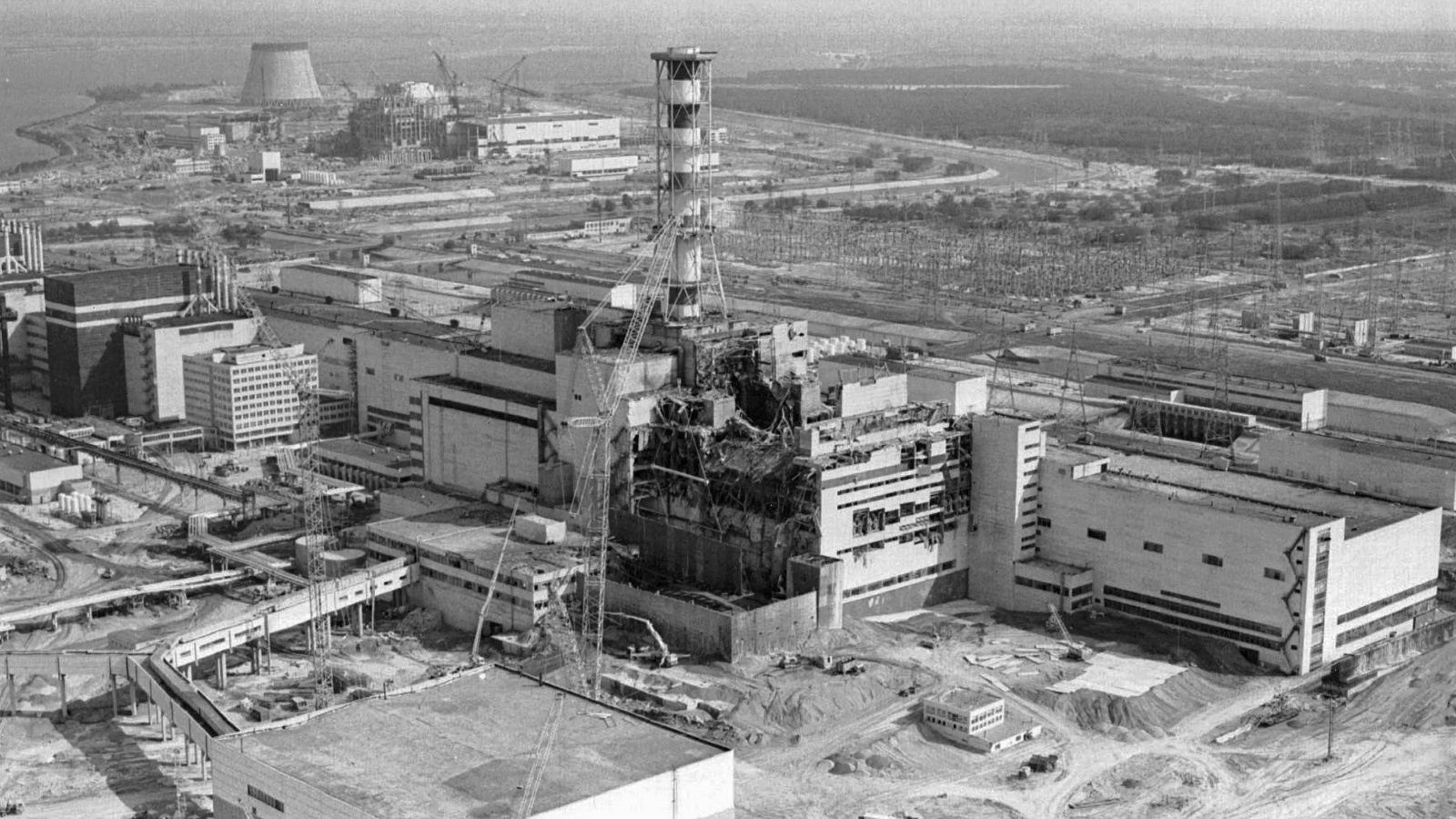
On April 26, Russia celebrates the Day of Participants in the Elimination of the Consequences of Radiation Accidents and Disasters and the memory of the victims of these Accidents and Disasters. Previously, this day was called "The Day of Remembrance of those who died in Radiation accidents and Catastrophes." However, according to the law of April 4, 2012, signed by the President of Russia, the name was changed in order not only to honor the memory of the dead, but also to honor the living liquidators.
Understanding the entire historical legacy of the Chernobyl disaster is impossible without an objective analysis of the organization, implementation and evaluation of the actual results achieved at the initial stage of emergency response measures. The accident at the Chernobyl nuclear power plant occurred back in the USSR.
During these years, at the cost of the heroic efforts of thousands of specialists, extremely important work was carried out to isolate the emergency reactor, protect the population and rehabilitate contaminated areas, which made it possible to significantly reduce the adverse radiological consequences of the accident for public health.
The first liquidators of the accident were firefighters who extinguished the fire. They were the ones who took the brunt of the attack. Fragments of the core ejected from the reactor caused a fire on the roof of the engine room and in the reactor hall. Firefighters who promptly arrived at the scene of the accident had to work in conditions of extremely high radiation levels.
In our republic, the referral to the accident area at the station began immediately after the accident. Natives of the TASSR were among the first military units involved in extinguishing a fire at a flaming reactor as early as April 1986. The dispatch of liquidators from the Tatar ASSR was carried out up to and including 1990. 2,771 people were sent through the military commissariats (for military training): in 1986 - 1,164 people; in 1987 - 935 people; in 1988 - 456 people; in 1989 - 200 people and in 1990 - 16 people. Large enterprises and institutions of the republic did not stand aside either. Over 350 drivers and mechanics were sent by the KAMAZ production association alone.
The Gorbunov KAPO and the Kazan Helicopter Plant sent more than 100 specialists to service helicopters working on the construction of the sarcophagus. The Kazan Chemical Research Institute and the All-Union Research Institute of the Geology of Non-metallic Minerals seconded more than 75 researchers - chemists and geologists. Today, 2,334 accident liquidators live in the Republic of Tatarstan.