Children and gadgets
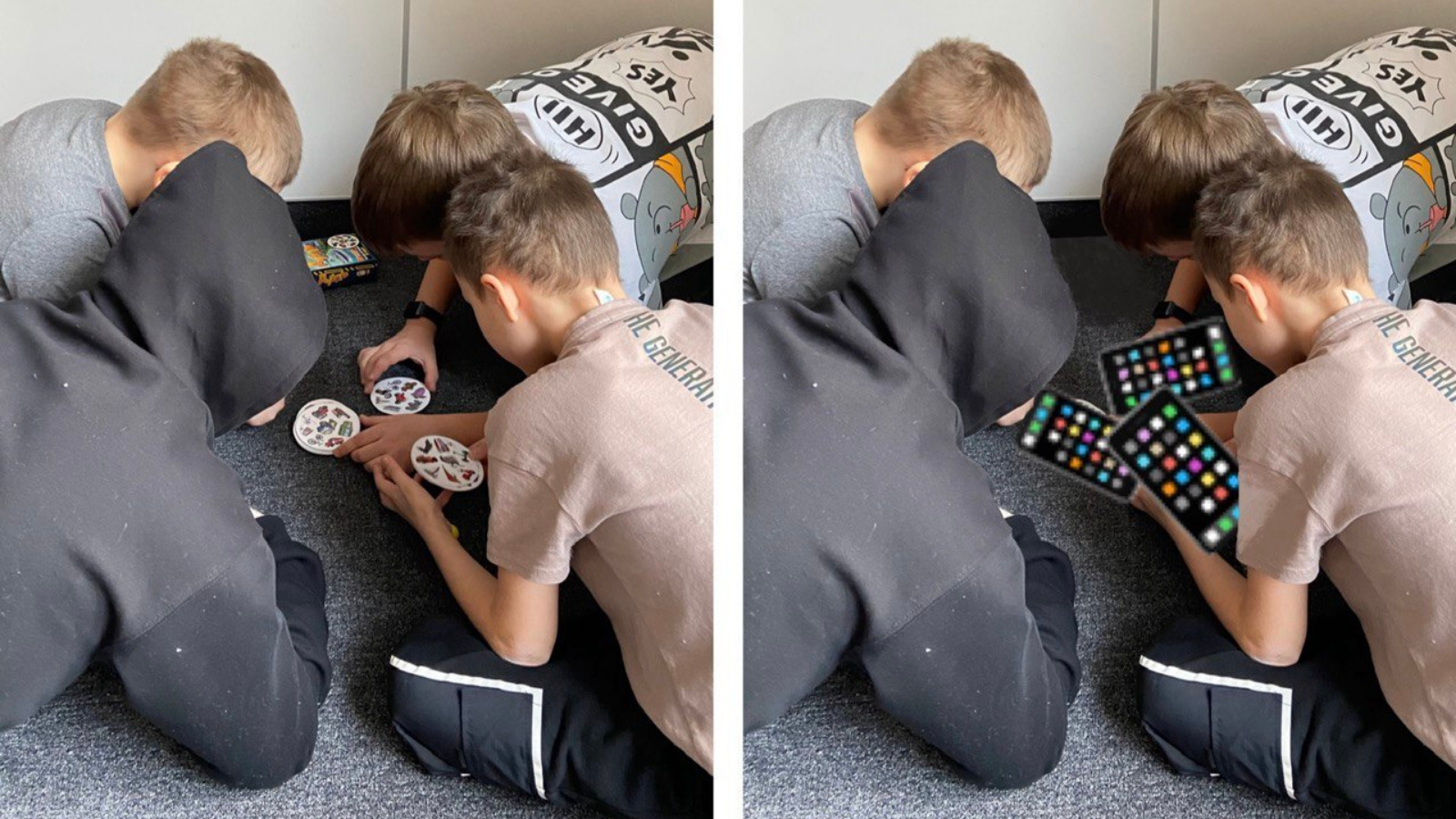
Modern children grow up in a world where communication and learning are almost entirely connected with digital technologies. Educational platforms, online games, and social networks are all shaping new forms of interaction and learning. Thanks to gadgets, children get quick access to information, develop communication and creativity skills. However, this range of opportunities comes with risks.
Risks of the digital environment for children's mental well-being
Recent scientific research shows that the uncontrolled use of information technology can negatively affect a child's mental development and psychological well-being.
Psychological and social consequences
Psychologists at Service-112 often receive requests from teenagers and young people regarding difficulties in establishing social contacts, boredom, and feelings of hopelessness. The conversation reveals various problems of the so-called "gadget family", where there is a physical presence of parents in their mental absence, the substitution of live communication with digital, a decrease in the quality and depth of conversations between family members, and a violation of family rituals. All this most often causes teenagers to lag behind in growing up and difficulties in professional orientation, the formation of a distorted "digital identity", and among young people it causes uncertainty of personal and professional self-determination and formation.
Recommendations for parents and educators:
• Limit children's online presence, especially on social platforms with negative content;
• To teach children critical perception of information, to form skills of conscious use of the Internet;
• Create a safe and positive online environment for interaction;
• Encourage the development of offline interests, sports, hobbies;
• Provide dialogue, support, and assistance in shaping healthy behaviors;
• Pay attention to signs of anxiety, depression, and social problems in children and seek professional help in a timely manner.