Modern rehabilitation system for Chernobyl accident liquidators in the «Sh. S. Karatai rehabilitation center of the EMERCOM of the Republic of Tatarstan»
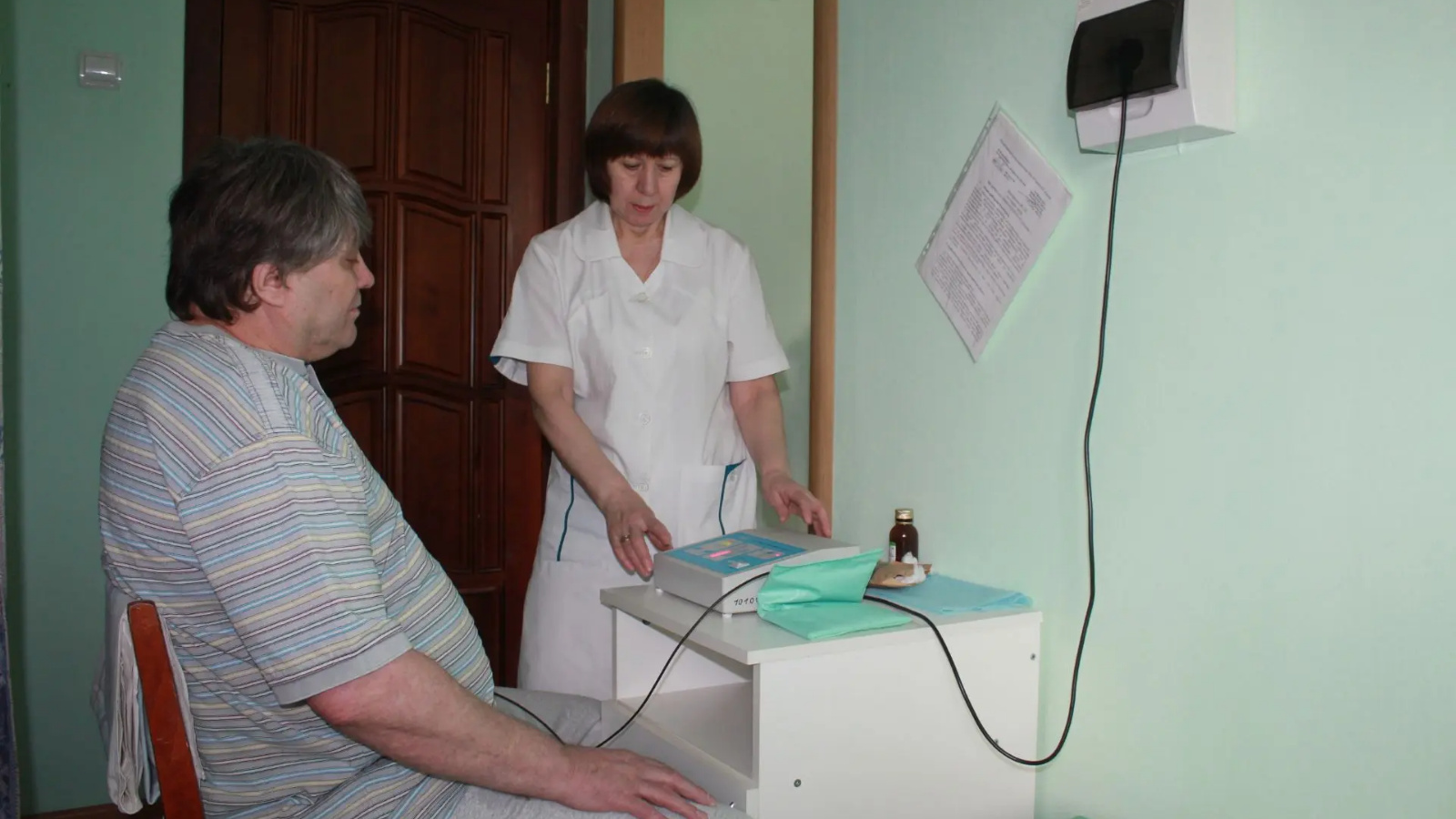
A lot is being done in the republic to provide social support and rehabilitation to the liquidators of the Chernobyl accident and their family members. Over the past years, almost all participants of the Chernobyl accident liquidation and their family members living in the republic have been rehabilitated at the Center. In many ways, it is thanks to this that it is possible to maintain the working capacity and health of people who have given it for the security of the state and to carry out their recovery from the resulting radioactive damage.
Medical and psychological rehabilitation of victims in emergency situations in Tatarstan has its own scientific and practical justification and its own history.
Back in the 90s, there was an urgent need to open a rehabilitation clinic for victims. They require a special approach and special attention. This need is justified by the consequences of the Chernobyl accident. The people who ended up there were mentally unprepared for what awaited them, so they endured not only physical suffering, but also moral suffering. Emergencies can traumatize the psyche, even regardless of what they have experienced before. A person cannot cope with stress alone, they need the help of a specialist. A 120-bed building was opened for such patients on the territory of the Livadia sanatorium. The first patients were people who had suffered a heart attack or cancer.
Liquidators of the Chernobyl accident undergo rehabilitation at the rehabilitation center every year. So during this April visit, Chernobyl victims from Chistopol, Yelabuga, and Kazan are being treated at the center. Each Chernobyl victim undergoes individual treatment, in accordance with rehabilitation programs provided and developed at the Center in collaboration with leading scientists.
In the medical aspect of rehabilitation, the Center widely uses traditional (electrotherapy, light therapy, therapeutic baths, thermotherapy, mud applications, norbaric hypoxytherapy, physical therapy, classical massage) and non-traditional technologies (ozone therapy, intravenous laser therapy, hirudotherapy, intestinal monitoring, detox spa, acupuncture, oxygen therapy, etc.).
Actively developing new technologies in rehabilitation treatment, the Center's specialists sought to implement an individual approach in the treatment of patients.
It is important to note that the Center is one of the few initiators in Russia of the introduction into practice of technologies recommended at the beginning of the 21st century by the World Health Organization to restore the health and capacity of people affected by emergency situations.