Flood situation in the Republic of Tatarstan on March 16, 2020.
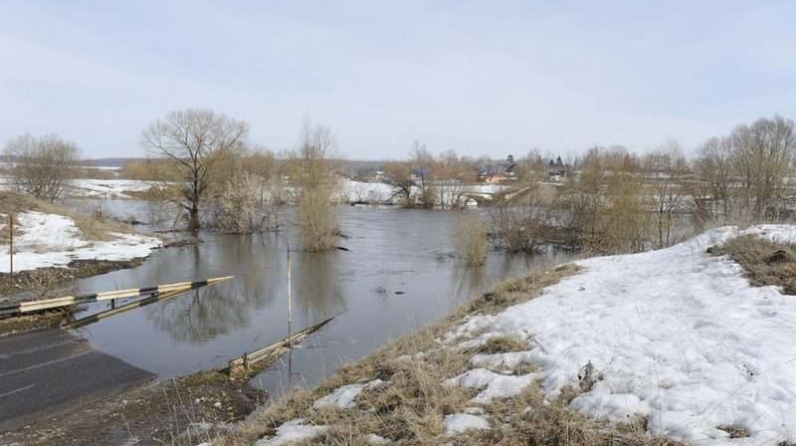
Spring water levels continue to rise on the rivers of the Republic. The water profit on the rivers ranged from 8-15 cm to 40 cm. the Maximum daily water profit was recorded on the toyma river (+40 cm). On the Sviyaga river and its main tributaries (Kubnya, Karla, Ulema) and on the Anzirka, Kichui, millya, Menzel, Aktay rivers, there is a decrease in the height of the flood wave.
Currently, the emergency response force is not required. There is no threat to life. In the event of a threat to life, residents will be evacuated to the PVR if necessary and with their consent.
The main Department of the Ministry of emergency situations of Russia in the Republic of Tatarstan recommends:
If your house falls into a flood zone, you must:
* Listen carefully to the information, take note and comply with all the requirements of the flood Commission and rescue services.
* Turn off gas, electricity and water.
* Extinguish the fire in the burning stoves.
* Move valuables and furniture to the upper floors or attic.
* Close Windows and doors or even Board them up.
* Animals must be released from the premises, and dogs must be untied.
* Firewood or items that can float away when the water rises, it is better to move to the room (shed).
* Remove anything that can be damaged by water from the basements.
* Prepare for evacuation.
When the water level rises quickly, you need to take care of protecting things in the house and prepare for possible evacuation.
• If there are boats, barrels (empty), logs, cameras, etc.on the farm, build primitive swimming rescue equipment from them. You can use plastic bottles, inflatable pillows, and mattresses to build rescue equipment.
* Stay on the upper floors, attics, roofs, trees, and hills until help arrives.
* Organize the sending of signals to rescuers using flags, torches, light of a lantern or candle.
If a person gets into a water stream, it is necessary to:
* Stay on the surface of the water.
* Try your best to get to the shore, buildings, or watercraft.
* Use floating objects to hold them on the water surface.
* Go with the flow, save energy, and get closer to the shore.
* Avoid eddies, rapids, and obstacles in the water.
• If possible, use floating objects or a safety rope when swimming.
* You need to take off your shoes, heavy outerwear and calmly swim to the shore, to the nearest buildings or Islands and wait for rescuers.